

Stable performance during high-traffic periods
Backend & Platform Architecture
Core Infrastructure for Hospitality & Real Estate Platforms
Cloud-native, API-driven architecture designed to support booking systems, sales pipelines, and operational platforms at scale.
Most systems fail not at launch, but under growth.
Architecture is not visible to guests, but it determines revenue stability, operational clarity, and long-term scalability.
Why Architecture Matters
Common structural failures we see.
Systems built on fragile plugins
Hard-coded booking logic
CRM data siloed from operations
Performance breakdown during peak season
Vendor lock-in to SaaS tools
No documentation or maintainability
Architecture is not visible to guests, but it determines revenue stability, operational clarity, and long-term scalability.
What We Design
01
Core Platform Architecture
Structured backend systems powering booking infrastructure, inquiry and CRM logic, property and inventory management, and operational dashboards. Designed around your workflow, not a template.
02
API & Integration Layer
API-driven systems connecting booking engines, CRM systems, payment providers, PMS tools, and reporting dashboards. No brittle connectors. No copy-paste between tools.
03
Cloud-Native Infrastructure
Scalable infrastructure built to handle seasonal traffic spikes, maintain uptime during high-demand periods, support multi-property or multi-project logic, and scale without forced rebuilds.
04
Performance & Stability Engineering
Architecture optimized for Core Web Vitals, database efficiency, caching strategy, load balancing, and fault tolerance. Stability during peak season directly impacts revenue continuity.
05
Data & Reporting Architecture
Centralized data pipelines for booking visibility, sales stage tracking, occupancy reporting, lead source attribution, and operational analytics. Structured data equals structured decision-making.
Architecture Principles
The goal is not short-term delivery. The goal is sustainable infrastructure.
- Avoid vendor lock-in
- Separate business logic from interface layers
- Use maintainable, documented codebases
- Enable long-term technical ownership
- Remain extensible as operations grow

When This Layer Becomes Critical
You manage multiple units, projects, or agents
Inquiry volume is growing
Booking complexity increases
Cross-border buyers require structured flows
You want ownership over your data and logic
If your system depends on plugins and patches, architecture is already your bottleneck.
Who This Usually Fits
This is typically needed once backend complexity starts holding operations back, even if the product still looks early-stage from the outside.
Multi-property hospitality operators unifying booking, CRM, payments, and reporting into one platform layer.
Real estate developers or agencies that need clean integration between websites, inquiry pipelines, dashboards, and internal operations.
Product teams already feeling technical debt from plugins, brittle connectors, or business logic trapped in the frontend.
Businesses that want long-term technical ownership instead of permanent reliance on vendors and manual patching.
Typical Delivery Scope
Architecture engagements rarely start with a full rebuild. They usually start at the highest-risk bottlenecks.
01Audit the existing architecture across data flows, integration dependencies, performance risk, and operational failure points.
02Design the target architecture: service boundaries, API contracts, integration ownership, and deployment strategy.
03Implement the core foundation: backend services, integration layer, observability, and the data / reporting model.
04Stabilize for scale with documentation, alerting, QA paths, rollback strategy, and the next technical-debt roadmap.
Business Impact
Architecture is the layer that protects revenue as complexity increases.
Reduced technical debt
Clear system ownership
Faster internal coordination
Improved data visibility
Scalable foundation for growth
Related Case Studies
Related Case Studies
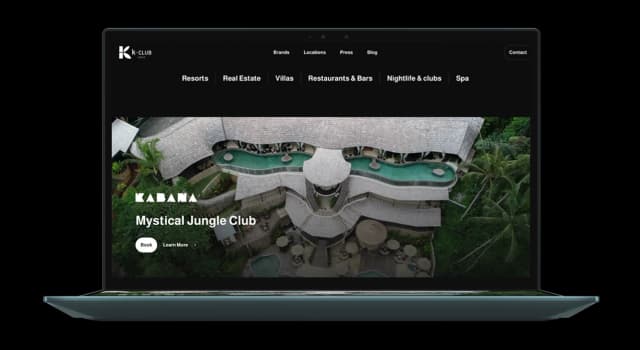
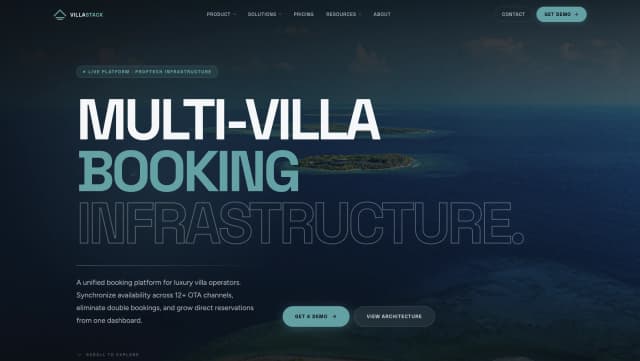
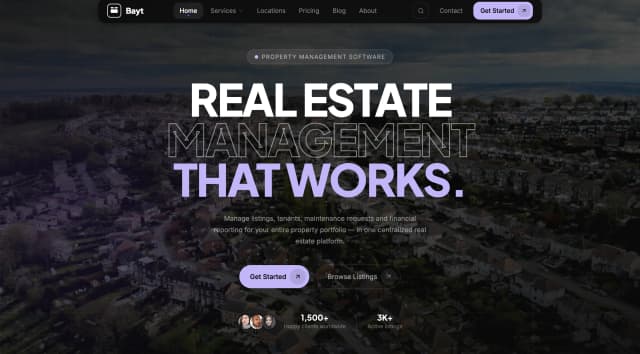
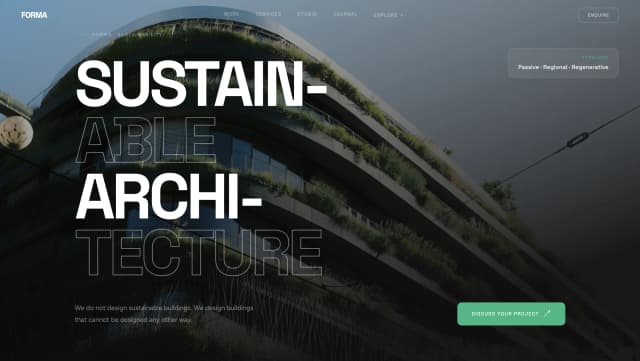
Relevant delivery examples, using the same visual language as the startups services pages.
Related Industry Pages
Related Industry Pages
Explore the operating contexts where this service architecture matters most.
Industry Page
Hospitality Digital Systems Bali
Digital systems for villa groups, hotels, and hospitality operators that need booking, CRM, and operational visibility.
Explore Page
Industry Page
Real Estate CRM Systems Indonesia
Structured sales systems for developer teams, broker networks, and property operators across Indonesia.
Explore Page
Industry Page
Hospitality Automation & AI Systems Dubai
Automation, AI, and guest-facing systems for hospitality operators targeting premium regional and international demand.
Explore Page
Related Service Hubs
Booking Infrastructure
Direct booking architecture, availability logic, and platform foundations for hospitality and property teams.
Sales & CRM Systems
Structured inquiry routing, CRM visibility, and automation that supports conversion workflows.
AI & Analytics
Applied AI, data systems, and analytics layers that improve operational decisions and automation.
WhatsApp & Booking Automation
Lead-capture and booking automation built on WhatsApp for Bali hospitality and real estate operators.
Commercial FAQ
Commercial FAQ
Short answers to the questions buyers usually ask before a discovery call.
Q
Do you only help with full rebuilds?
No. Most architecture work starts with the highest-risk bottlenecks such as integrations, data flow, performance issues, or unstable backend logic. A full rebuild is not the default.
Q
Can this be done while the current platform stays live?
Usually yes. We phase the work so critical operations keep running while the backend foundation, integrations, or reporting layers are improved incrementally.
Q
What does technical ownership look like after delivery?
The goal is documented architecture, clearer service boundaries, and a handoff your team or future technical partner can maintain without hidden dependencies.
Build infrastructure that supports growth, not systems that break under it.
Request a Platform Review