

Centralized inquiry handling
Sales & CRM Systems
for Hospitality & Real Estate Operators
Structured sales architecture connecting inquiry intake, qualification logic, viewing coordination, and deal visibility for high-value bookings and property transactions.
Most teams use a CRM. Very few have structured sales infrastructure.
A CRM alone does not solve lost inquiries, fragmented communication, manual follow-ups, or unclear ownership. The real task is architecting the flow from inquiry to closed deal.
What Sales Infrastructure Actually Means
Beyond CRM Tools
- Lost inquiries
- Unclear ownership between agents
- Fragmented WhatsApp communication
- No visibility across deal stages
- Manual follow-ups
- Poor cross-border coordination
- Sales & CRM systems are not about software tools. They are about architecting the flow from inquiry to closed deal.
When Structure Is Missing
Common structural failures we see.
Leads scattered across WhatsApp, email, and forms
No defined stages between inquiry and viewing and offer
Agents working in parallel with no shared visibility
Manual spreadsheets tracking deal progress
No reporting on conversion between stages
Inconsistent follow-up discipline
For developers and operators, this creates revenue leakage, slower deal cycles, and unpredictable sales performance.
What We Build
01
Inquiry Architecture
Structured intake logic centralizes inbound leads, routes inquiries to the right team member, captures structured data (dates, property, source, intent), and prevents duplicate or lost conversations. No isolated chat threads. No shadow pipelines.
02
Sales Pipeline Architecture
Custom stages aligned with your real workflow: Inquiry -> Qualification -> Viewing -> Offer -> Negotiation -> Close. Designed for hospitality booking workflows, multi-unit property sales, and cross-border buyer handling with clear ownership at every stage.
03
Viewing & Reservation Coordination
Structured systems for scheduling viewings or consultations, temporary unit holds, availability visibility, and status synchronization across teams. Reduces friction between marketing, sales, and operations.
04
Agent & Team Visibility
Architecture for multi-agent teams with performance tracking per stage, accountability by lead source, and structured reporting for management. No blind spots in the funnel.
05
Cross-Border Buyer Layer
For AU, SG, and HK buyers: multilingual inquiry flows, time-zone-aware coordination, structured documentation access, and clear conversion tracking per geography. Designed for high-value transactions.
Architecture Principles
Your CRM becomes a structured system, not an inbox.
- Avoid over-customized SaaS lock-in
- Use open, maintainable architecture
- Separate business logic from UI tools
- Scale with inquiry volume
- Remain transparent and auditable

Business Impact
For real estate developers, even a 1-2% improvement in conversion can justify full system investment.
Reduced lost leads
Faster qualification cycles
Clear visibility across pipeline stages
Improved inquiry to viewing to close conversion
Structured performance tracking
Who This Usually Fits
This becomes valuable once the pipeline is high-value enough that informal coordination starts leaking revenue.
Real estate developers managing high inquiry volume from campaigns, listing portals, referrals, and WhatsApp.
Agencies or broker networks that need clear lead ownership between agents and better visibility into deal stages.
Premium hospitality teams handling high-intent inquiries, viewings, follow-ups, and reservation coordination across channels.
Operators serving cross-border buyers who need multilingual workflows, timezone-aware follow-up, and cleaner deal documentation.
Typical Delivery Scope
Sales infrastructure delivery usually moves from intake design to reporting, not just CRM setup.
01Audit lead sources, agent workflow, response times, and the points where inquiries are lost or left unmanaged.
02Design pipeline and ownership logic: stage definitions, internal SLAs, qualification rules, and team handoffs.
03Connect the CRM layer with WhatsApp, forms, email, calendar, and dashboards so inquiry-to-viewing-to-close is visible end to end.
04Define the core reporting model: source quality, stage conversion, agent accountability, and follow-up backlog visibility for management.
When This Makes Sense
You manage high inquiry volume
You operate across multiple agents or properties
You handle cross-border buyers
You need structured deal visibility
You plan to scale beyond informal coordination
If your sales process fits inside a spreadsheet, this is not necessary. If you operate at scale, it is essential.
Related Case Studies
Related Case Studies
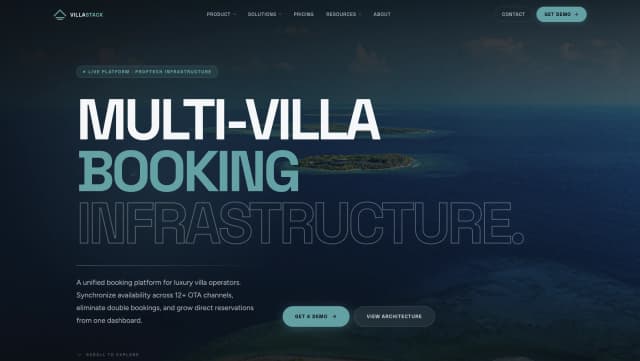
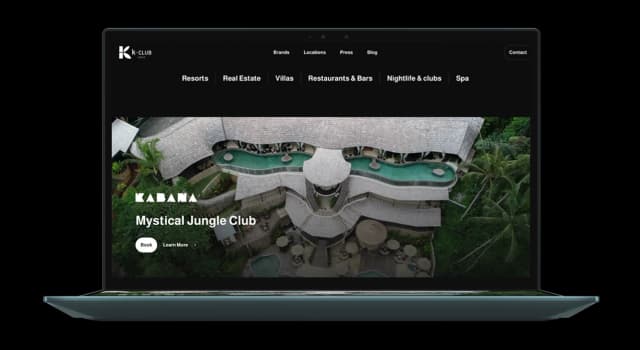
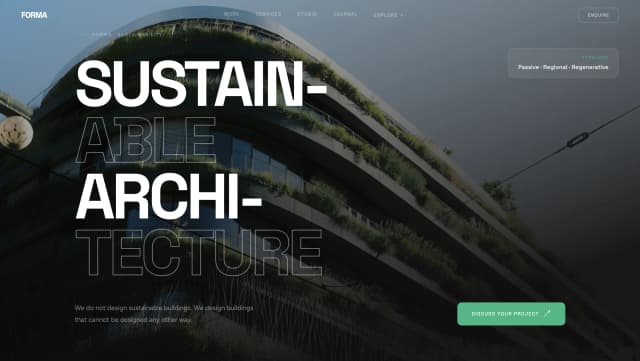
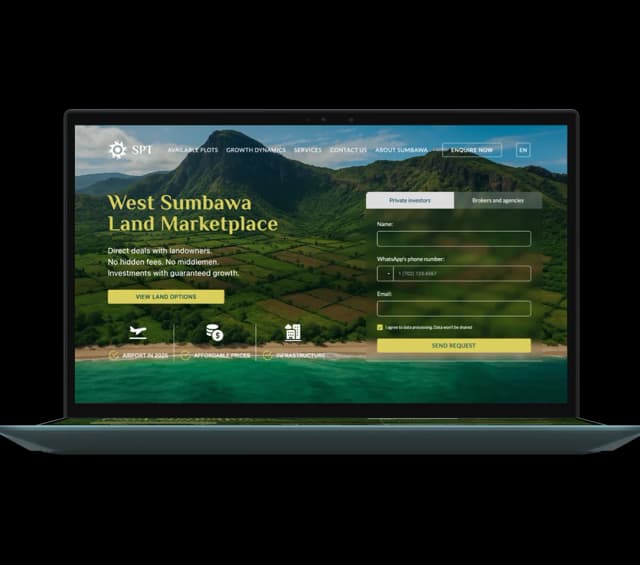
Relevant delivery examples, using the same visual language as the startups services pages.
Related Industry Pages
Related Industry Pages
Explore the operating contexts where this service architecture matters most.
Industry Page
Real Estate CRM Systems Indonesia
Structured sales systems for developer teams, broker networks, and property operators across Indonesia.
Explore Page
Industry Page
CRM Integration for Property Agencies Bali
Inquiry routing, agent workflows, and CRM infrastructure for agencies managing high-intent property leads.
Explore Page
Industry Page
WhatsApp Automation for Hospitality Bali
WhatsApp-led guest communication and sales flows for hospitality teams that need faster response and better coordination.
Explore Page
Related Service Hubs
Booking Infrastructure
Direct booking architecture, availability logic, and platform foundations for hospitality and property teams.
Backend & Platform Architecture
Scalable backend systems, API integrations, and reliability-focused architecture for growing platforms.
AI & Analytics
Applied AI, data systems, and analytics layers that improve operational decisions and automation.
WhatsApp & Booking Automation
Lead-capture and booking automation built on WhatsApp for Bali hospitality and real estate operators.
Commercial FAQ
Commercial FAQ
Short answers to the questions buyers usually ask before a discovery call.
Q
Can you work with our existing CRM instead of forcing a migration?
In many cases, yes. The first goal is to design the sales workflow correctly. If the current CRM can support that structure, we can often keep it and improve the surrounding system.
Q
Is this only for real estate teams?
No. It is also relevant for hospitality operators handling high-intent inquiries, reservation coordination, and multi-channel follow-up where visibility and response discipline matter.
Q
What changes first in a typical rollout?
Usually inquiry intake, stage definitions, ownership rules, and reporting visibility. Those changes create the biggest operational gain before deeper automation is added.
Build structured sales infrastructure - not just a CRM setup.
Request a Platform Review