

Increased direct booking share
Booking Infrastructure
for Hospitality Operators in Bali
Structured booking architecture designed to reduce OTA dependency, centralize availability logic, and support long-term operational scale.
Most operators think they need a website with booking. In reality, they need booking infrastructure.
This is not a plugin layer. It is the revenue architecture behind availability, inquiry handling, confirmation flow, and ownership of guest data.
What Booking Infrastructure Actually Means
Structured Booking Infrastructure
- Availability logic connected to real inventory
- Direct booking architecture independent from OTAs
- Centralized inquiry routing
- CRM-connected booking lifecycle
- Multi-property coordination
- Operational visibility across units
- Booking infrastructure is not a plugin. It is the revenue layer of your operation.
When Infrastructure Is Missing
Common structural issues we see in Bali.
OTA dependency exceeding 60-80% of bookings
Fragmented availability across PMS and manual calendars
WhatsApp used as primary system of record
No structured inquiry to confirmation flow
Manual booking summaries and follow-ups
No performance visibility per unit
For many operators, OTA commissions exceed USD 30,000-100,000 per year.
Without structured infrastructure, that cost becomes permanent.
What We Build
01
Availability Architecture
Centralized availability logic across villas, rooms, or units. Integrated with PMS, channel managers, and internal workflows. No double-booking. No manual reconciliation.
02
Direct Booking Systems
Custom-built direct booking flows with date selection, dynamic availability, secure payment layers, multilingual guest journeys (EN/ID/CN/RU), and CRM pipeline routing. Built for peak-season traffic.
03
Multi-Property Booking Control
Unified booking management for villa groups, boutique hotel chains, and mixed-use hospitality portfolios. Per-unit visibility. Central reporting. Structured role access.
04
Inquiry Routing & Confirmation Logic
Structured handling from Inquiry -> Qualification -> Availability Check -> Confirmation -> Follow-up. No isolated chat threads. No manual copying between systems.
05
Revenue-Control Layer
Architecture designed to increase direct booking share, reduce OTA exposure, support pricing control, and maintain ownership of guest data. This is about control - not just conversion.
Architecture Principles
Every platform is built for long-term technical ownership.
- Do not depend on fragile plugins
- Avoid vendor lock-in
- Use open, maintainable architecture
- Scale with occupancy growth
- Remain stable during high-traffic spikes

Business Impact
For multi-villa groups, even a 15-20% shift toward direct booking can justify infrastructure investment within 12-18 months.
Reduced OTA commission exposure
Centralized booking visibility
Fewer lost inquiries
Structured operational coordination
Improved response cycles
Who This Usually Fits
This is most useful once bookings, inquiries, and operations are already complex enough to break manual processes.
Villa groups that want to shift more demand from OTA dependency into direct-booking workflows they control.
Boutique hotel teams that need structured availability logic, inquiry handling, and payment confirmation across channels.
Multi-property operators that need one system view across units, occupancy, booking status, and guest operations.
Revenue or operations teams trying to replace chat-led booking coordination with auditable workflows and reporting.
Typical Delivery Scope
Most booking infrastructure projects we deliver include these four layers of work.
01Audit the current booking flow across inquiry sources, PMS / channel manager usage, payment handling, and operational leakage points.
02Design the booking architecture: availability model, inquiry routing, booking-state logic, and team access structure.
03Implement the core integrations: booking website layer, CRM handoff, payment confirmation, and operational dashboards.
04Stabilize after launch with peak-season QA, baseline reporting, internal SOPs, and a prioritized direct-booking optimization roadmap.
When This Makes Sense
You manage multiple units or properties
OTA commissions exceed USD 30,000/year
Inquiry handling is fragmented
You plan long-term growth
You need operational clarity across teams
If you only need a simple brochure site, this is not for you.
Related Case Studies
Related Case Studies
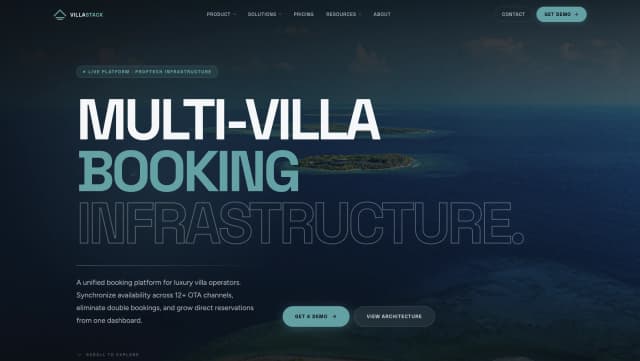
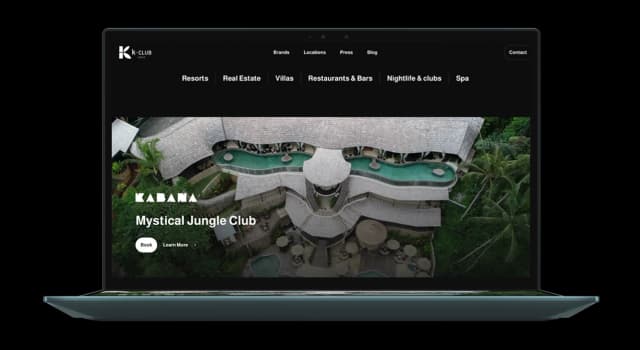
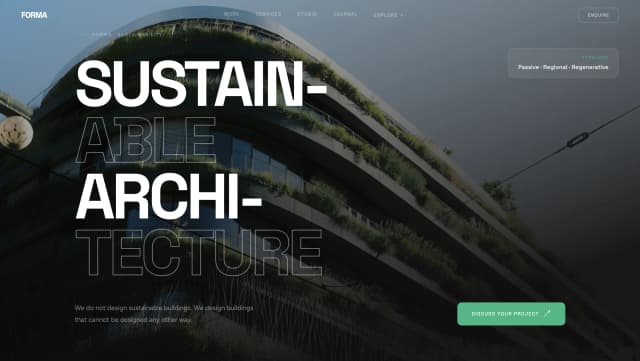
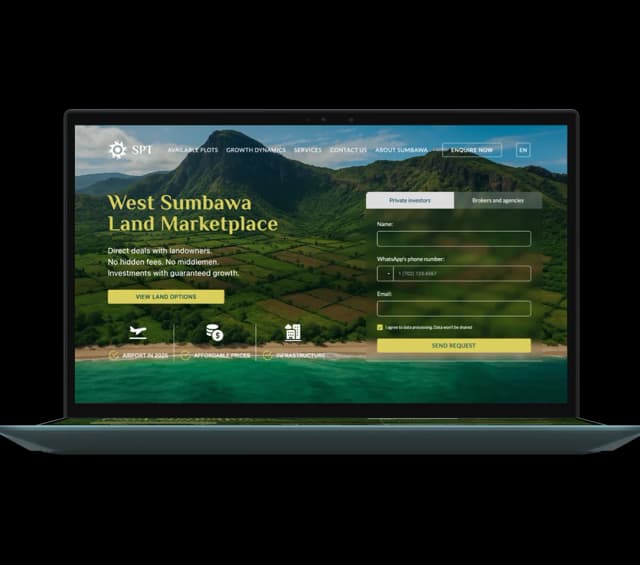
Relevant delivery examples, using the same visual language as the startups services pages.
Related Industry Pages
Related Industry Pages
Explore the operating contexts where this service architecture matters most.
Industry Page
Hospitality Digital Systems Bali
Digital systems for villa groups, hotels, and hospitality operators that need booking, CRM, and operational visibility.
Explore Page
Industry Page
Hospitality Automation & AI Systems Dubai
Automation, AI, and guest-facing systems for hospitality operators targeting premium regional and international demand.
Explore Page
Industry Page
Real Estate CRM Systems Indonesia
Structured sales systems for developer teams, broker networks, and property operators across Indonesia.
Explore Page
Related Service Hubs
Sales & CRM Systems
Structured inquiry routing, CRM visibility, and automation that supports conversion workflows.
Backend & Platform Architecture
Scalable backend systems, API integrations, and reliability-focused architecture for growing platforms.
AI & Analytics
Applied AI, data systems, and analytics layers that improve operational decisions and automation.
WhatsApp & Booking Automation
Lead-capture and booking automation built on WhatsApp for Bali hospitality and real estate operators.
Commercial FAQ
Commercial FAQ
Short answers to the questions buyers usually ask before a discovery call.
Q
Do we need to replace our PMS or channel manager first?
Usually no. Most booking infrastructure projects start by stabilizing the systems already in use, then deciding what should stay, integrate, or be replaced later.
Q
Can this work for multi-property hospitality groups?
Yes. This is one of the strongest use cases. The booking layer is designed around unit visibility, inquiry routing, operational coordination, and reporting across multiple properties.
Q
How involved does our internal team need to be?
Your team mainly needs to clarify workflows, approval logic, and current operational pain points. We usually handle the architecture, implementation, and system handoff structure.
Platform Review